

Choosing the right welding process can greatly enhance the performance of your kitchen equipment while also reducing costs. By understanding the strengths and limitations of various welding techniques, you can make informed decisions that lead to stronger joints and minimized material waste. This not only improves efficiency but also extends the lifespan of your equipment. However, the challenge lies in selecting the most suitable method for your specific needs. What factors should you consider next?
Key Takeaways
- Choosing MIG welding for thin materials ensures faster production and a cleaner finish, enhancing kitchen equipment efficiency.
- Utilizing TIG welding for stainless steel provides superior precision and corrosion resistance, improving equipment durability.
- Proper welding techniques lead to stronger joints, reducing maintenance needs and minimizing long-term operational costs.
- Cost-effective welding methods minimize material waste and labor costs, contributing to overall business savings.
- Aligning welding processes with production volume enhances output efficiency, directly impacting profitability for business owners.
The Importance of Choosing the Right Welding Process for Kitchen Equipment
When you consider the critical role that welding plays in the durability and functionality of kitchen equipment, it becomes clear that selecting the right welding process is vital. Each process—MIG, TIG, or Stick—offers distinct advantages that can impact performance and longevity. For instance, MIG welding is often faster and ideal for thin materials, while TIG provides superior precision, which is essential for detailed work. Understanding these differences allows you to make informed choices that align with your operational needs. Conducting a welding processes comparison not only helps in selecting the most suitable method but also guarantees that your equipment meets industry standards. Ultimately, the right choice enhances efficiency, reduces maintenance costs, and fosters a safer kitchen environment.
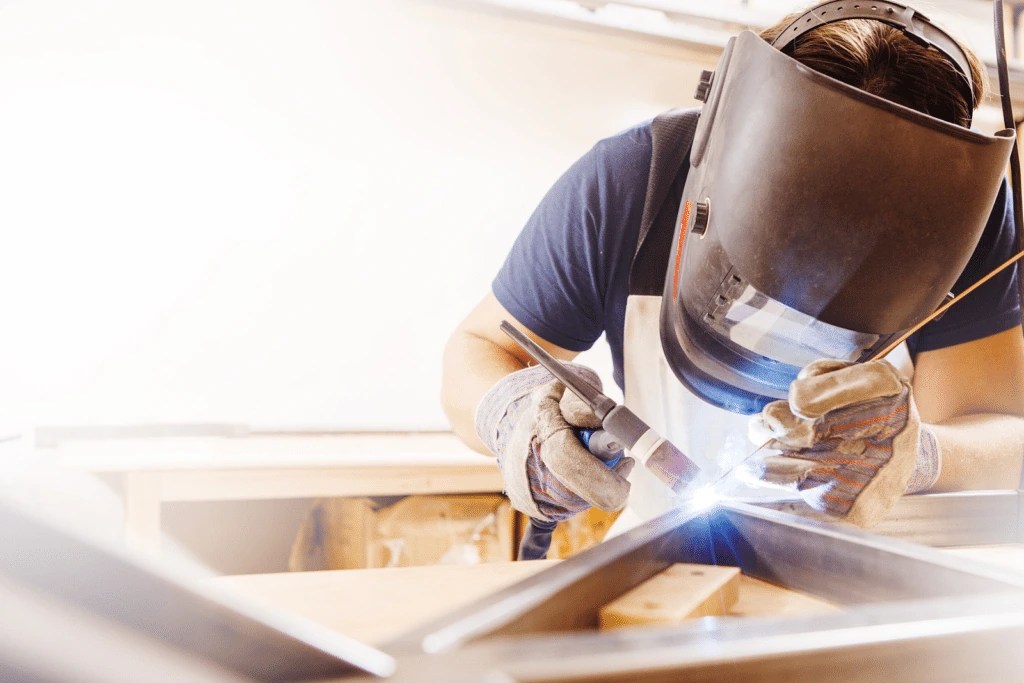
Welding Processes Comparison: Your Options for Kitchen Equipment
Choosing the right welding process greatly impacts the performance of your kitchen equipment. When considering welding processes comparison, you typically have several options: MIG, TIG, and Stick welding. MIG welding is efficient for thin materials and provides a clean finish, making it ideal for stainless steel appliances. TIG welding, on the other hand, offers precision and control, perfect for intricate designs or when aesthetics matter. Stick welding is versatile and cost-effective but may not deliver the same level of finish. Each method has its strengths and weaknesses, so it is crucial to evaluate your specific kitchen needs. By understanding these options, you can make an informed decision that enhances equipment durability and functionality while minimizing costs.
How Welding Techniques Impact Your Kitchen Equipment
Understanding how different welding techniques impact your kitchen equipment can greatly enhance both performance and longevity. The right welding process not only guarantees structural integrity but also affects the overall efficiency of your equipment. Here are three key considerations:
- Material Compatibility: Different techniques suit various materials. For instance, TIG welding is ideal for stainless steel, guaranteeing a clean finish and resistance to corrosion.
- Heat Control: Techniques like MIG welding provide better heat management, minimizing warping and distortion, which can compromise functionality.
- Joint Strength: Proper welding methods yield stronger joints, reducing maintenance needs and extending the lifespan of equipment.
Cost-Effective Welding for Business Owners
Cost-effective welding processes can greatly reduce operational expenses for business owners in the kitchen equipment sector. By selecting the right welding techniques, you can minimize material waste and reduce labor costs. For instance, processes like TIG and MIG welding offer high precision, which leads to fewer defects and rework, ultimately saving you time and money. Additionally, investing in automation can enhance consistency and speed, further lowering production costs. When comparing welding processes, consider not only the initial investment but also long-term maintenance and repair costs. A thorough welding processes comparison will help you identify the most efficient options, ensuring your kitchen equipment performs effectively while keeping expenses in check. Embracing cost-effective welding is a strategic move for your business’s financial health.
Tips for Choosing the Right Welding Process
When evaluating the best welding process for your kitchen equipment, it’s vital to take into account several key factors that can influence both performance and cost. Here are three essential tips to guide you in your decision-making:
- Material Compatibility: Verify the welding process you choose is suitable for the materials used in your equipment, as this affects durability and functionality.
- Heat Control: Select a method that allows for precise heat management to prevent warping or damage to sensitive components.
- Production Volume: Consider your production needs; some processes are more efficient for high-volume output, while others may suit smaller batches.
Conclusion
Selecting the appropriate welding process is essential for optimizing your kitchen equipment’s performance and reducing costs. By understanding the strengths of techniques like MIG and TIG welding, you can make informed decisions that enhance durability and efficiency. This strategic choice minimizes waste and defects, leading to lower maintenance and repair expenses. Ultimately, the right welding method not only elevates functionality but also contributes to long-term savings, ensuring your investment pays off in the competitive foodservice industry.
You May Also Like To Read: